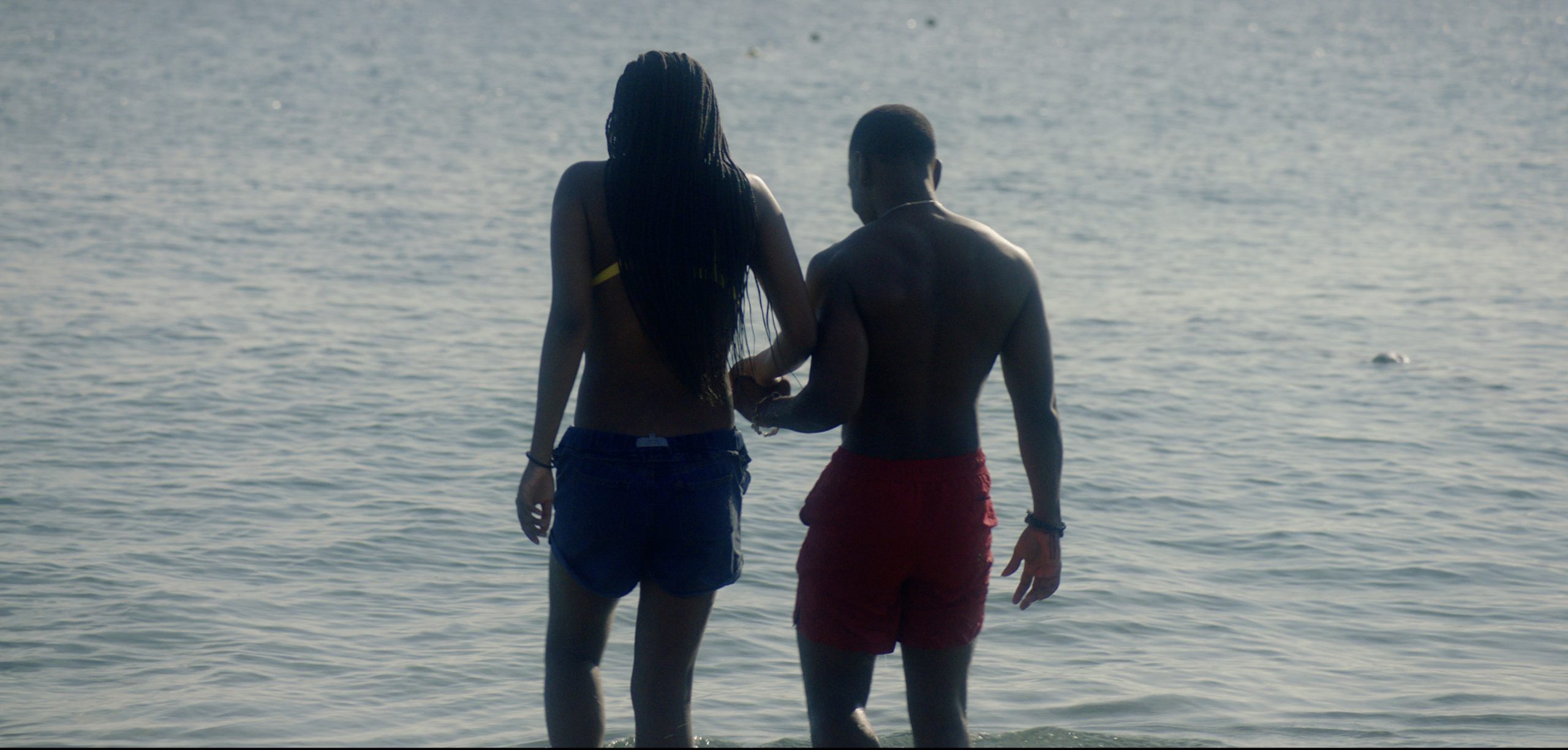
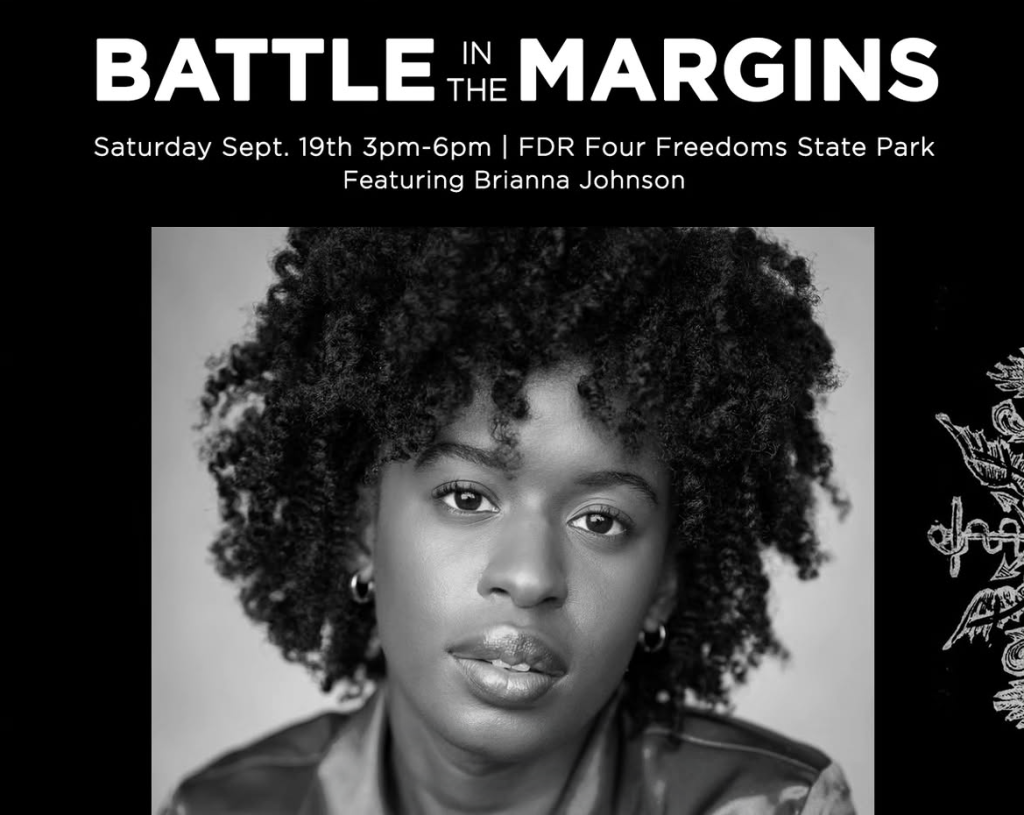
The above is one of my favorite production stills from our latest project, Melody Heals the Soul, largely because it depicts more than the resolve of our main characters. Yes, our film’s stars—Nevis-raised Davien Griffin, and Dominican/Jamaican-rooted Brianna Johnson—bodied their roles in our love story about a trumpeter in aphasia recovery and a medical student that will heal him by any means necessary. Yet and still, in this frame I also see a respective painter and thespian committed to counternarratives, along with a genre-bending story that crosses disciplines, sectors, and generations.
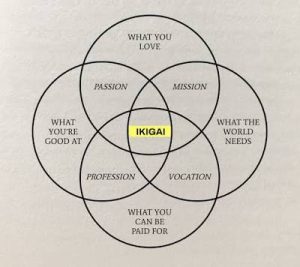
The more deeply I become steeped in justice-centered narratives that activate and fortify communities, the more I come to appreciate the importance of intersectionality. Yes, I’m all about the ikigai and feel, in my heart of hearts, that multimedia communications is my way. However, I also believe that to break siloes and cycles, we must join forces with folks outside of our proverbial lanes. Building community through the lens of “cause” instead of simply “craft” or “capacity,” allows us to see partners holistically, and I have been so inspired by the nuanced dimensions of my peers revealed in this work of restorative storytelling.
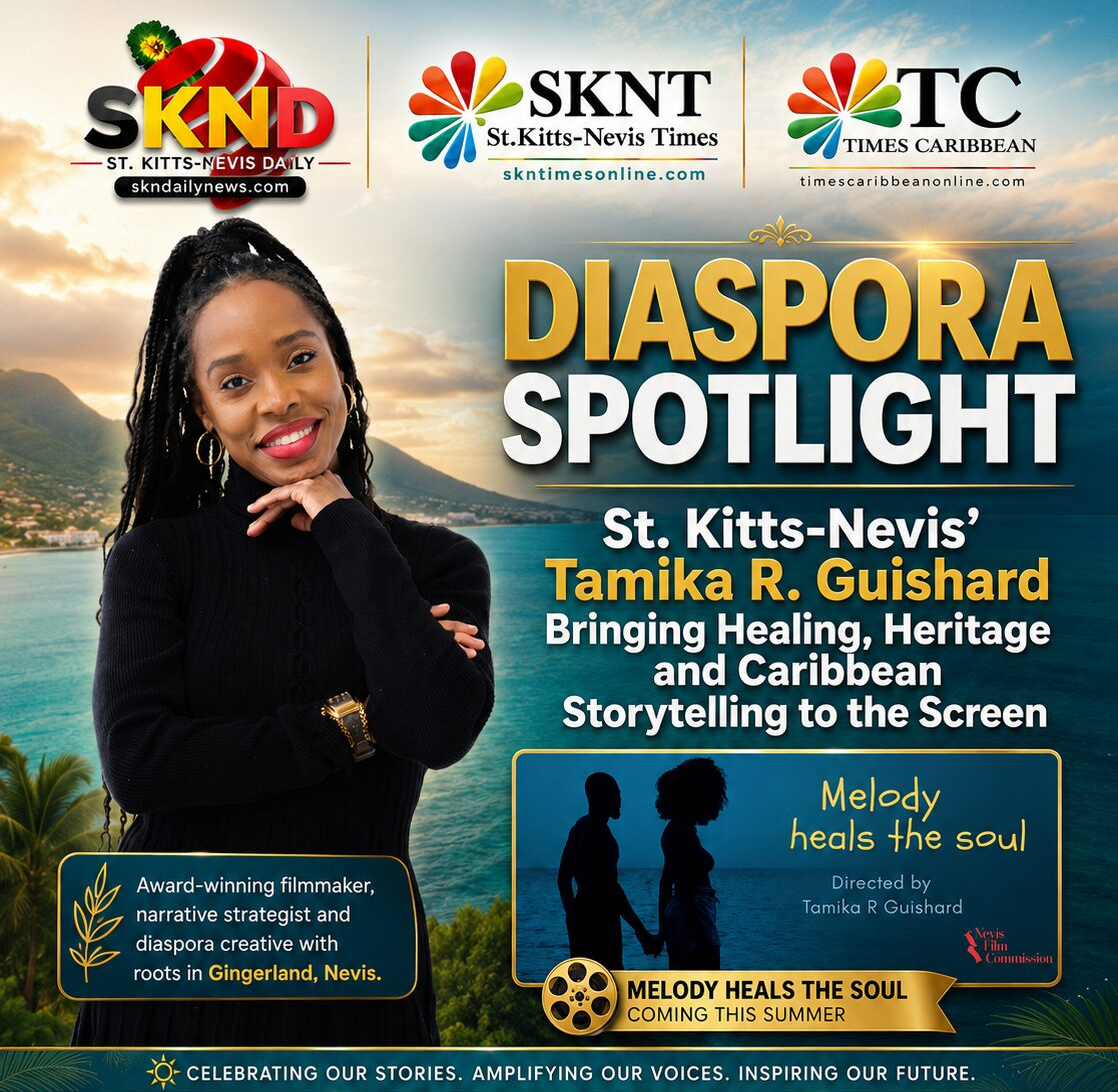
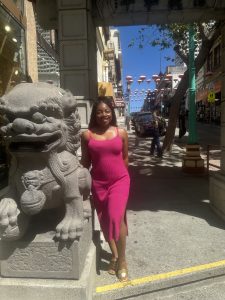
My thought partner, Doretha Dawkins, comes to mind. We first crossed paths as colleagues at an EdTech company and locked in upon learning of our mutual passion for reclaiming and restoring Black and brown narratives. After years of swimming in the same pool of cinephile counterparts for partnerships to advance my work, I paired up with Doretha. Her careful eye and superb management skills helped my projects be selected by Breaking Through The Lens (on my second try), as well as for the inaugural Cannes Screenplay List and a host of other notable recognitions.
As it turns out, Doretha is an incredible fiction writer in her own right. Her voice on the page is crystal-clear and her handle of the English language is chef’s kiss. I liken her style to Toni Morrison Southern sultry with the dynamism of a kung fu flick and suspense of horror. Talk about action! I was pleasantly surprised when Doretha first asked me to read one of her short stories. Even so, because I saw her wholly from the start, I was confident that this was something that she was fully capable of, and she did not disappoint.
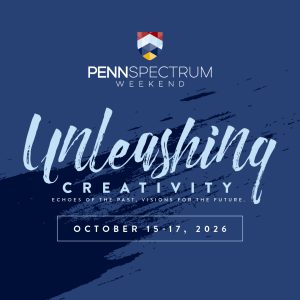
That same impulse is driving Penn Spectrum Weekend next month. I will be moderating “Life Design of the Black Creative” featuring old friend and multi-hyphenate, Rob Murat, to help cultivate community across mediums and generations at our alma mater’s Homecoming. I increasingly find that galvanizing individuals intergenerationally and interdisciplinarily—such as this alumni convening spanning decades of cultural leaders Indigenous to America and representing nations from all over the world—not only exciting, but also imperative to envision an ecosystem where art compels transformation that is both actionable and sustainable.
At its core, justice work means equipping communities to shape their own solutions. Whether people already carry the vision and need resources and room to bring it to life, or whether the first step is creating the conditions for that vision to emerge and growing a sense of agency along the way, those of us committed to this movement must see each other differently and allow room for the unknown. Authentic, curious partnerships across different artforms, sectors, and institutions are how we counter prevailing narratives of hopelessness and regression, and they begin with a healthy sense of wonder about creatures, including and especially fellow humans.
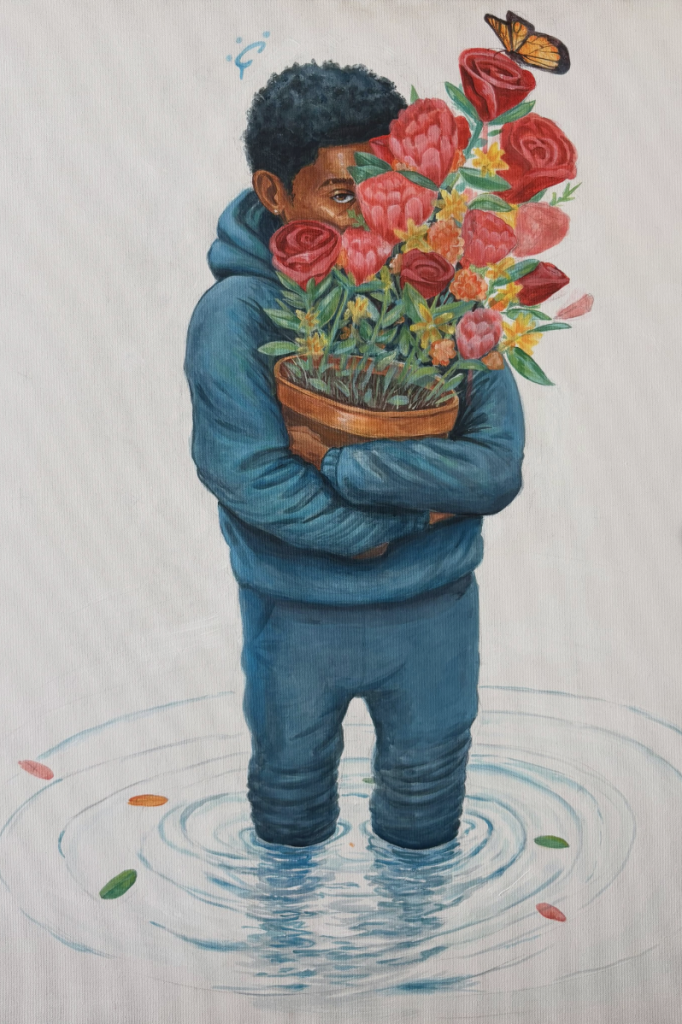
As we kick off post-production for Melody Heals the Soul, I am so proud of our team, each countering narratives in their own right and on their own terms. In helping us reimagine colonial Black life in NYC, juxtaposing stereotypes of Black boys in hoods with the innocence of smelling fresh flowers, and combining Latin and ancestors with “dei” to empower Gen Z, they too are using their art to flip the dominant narrative on its head. That two-shot of Brianna and Davien foregrounded by the Caribbean Sea actually brings to mind my own parents as well, who’d met as teenagers on St. Kitts & Nevis.
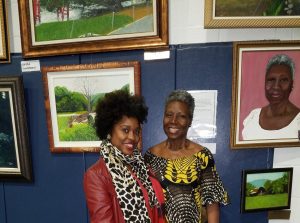
They are both retired civil servants now. My mom was a paraprofessional for NYC Department of Education, and my dad was a welder for NYC Transit Authority. Nonetheless, my father was also a DJ and a photographer, who had fashioned a dark room in our East New York basement and developed portraits documenting our neighborhood clan. My mom became a certified American Sign Language (ASL) interpreter while teaching. She then took up painting and poetry upon retirement, and her art has since been exhibited throughout the city. Perhaps being steeped in this kind of organic multifacetedness and complexity from the onset is why identity has never been restricted to a person’s occupation or an organization’s sector for me.
Truth be told, we come from a long line of forefathers and mothers who expertly wore multiple hats in a society that only acknowledged one. Now that we have more ways than ever to find each other, with connection literally at our fingertips, all there is left to do is reach out, join hands, and dance.