Ju-Niyah Palmer is a warrior. She had barely aged out of her teens when her big sister, Breonna Taylor, was fatally shot in her own bedroom by officers of Louisville Metro Police Department. Having spent her entire adult life fighting for someone to be held accountable for Breonna’s death, Ju-Niyah gained media attention in 2022 for being ejected from the courtroom for wearing an “Arrest the Cops who Killed Breonna Taylor” t-shirt. That day, one of the shooters was on trial for his bullets entering Breonna’s neighbor’s apartment instead of those shots that entered her own body being addressed. In July 2025, that same shooter received a thirty-three month sentence for violating Breonna’s civil rights. Less than three months into his sentence, he was granted release from prison while he appeals his conviction. As Breonna’s family weathers these gut punches, they make it their business to continue shining light on “Easy Breezy” Breonna, paying forward their favor in having known her as a friend, daughter, and sister.
“You can overcome something, and never ‘out-come’ it. You really want to do both, but it takes time to accomplish both [because] you can really only do one at a time.”

Ju-Niyah Palmer, Breonna’s baby sister, born exactly six years and six months after her, dropped this one of many gems in our recent conversation about healing, justice, and reflection. I nicknamed her “Lil’ Yoda” by the end of our chat because her wisdom and realness at twenty-six years old were so palpable. Ju-Niyah attributes her uncanny abilities to adapt and be candid — with herself and others regardless of circumstance — largely to how her mother, Tamika Palmer, raised both her and Breonna to be open and be themselves at all times. She cannot recall an instance of feeling degraded or having her identity shunned. Growing up with Tamika as a reflection undoubtedly planted the seeds for Ju-Niyah to fight across states and systems for justice in the brutal, unjust murder of her sister on March 13, 2020.
Ju-Niyah remarks that she never healed and has cried maybe twice over this nightmare since it began nearly six years ago. She cries all of the time, but being well-versed in history’s cyclical nature, having gone to therapy and been diagnosed with PTSD, her reality is that “some things are not worth crying over.” Yet and still, seeing Breonna’s likeness as the first to grace the cover of O, The Oprah Magazine without Winfrey, has been the most memorable part of her journey. Because visibility and reflection are such powerful catalysts for restoration and transformation, I have continued to center Black and brown communities in my storytelling: not only to disrupt a cinematic canon rooted in racial archetypes, but also to supplant core memories for young women like Ju-Niyah.

Despite having all of the work her family did for Breonna overturned by this administration, and walking past her ashes everyday, Ju-Niyah’s smile (similar to Tamika’s) upon recollection of Breonna is absolutely contagious. She laughed from her gut in detailing her most standout memory with Breonna from when Ju-Niyah was in her early teens. A torrential downpour forced Breonna to pull over, in her red car at the time, on their drive home. She called their mom, Tamika, crying. Breonna bawling into the phone, “I can’t see, I just stopped,” had Ju-Niyah cackling in the passenger seat because…”mama can’t come save us.”
Black and brown existence in these United States can feel like a perpetual storm. It always passes, but another is on the horizon. When asked her feelings about this blog being released on International Day of Human Fraternity, Ju-Niyah remarked “it doesn’t matter what we say, how we say it, how many times we say it, plans we make, it never changes…we’re stuck in a cycle, it’s just about how long until the next comes, and then the next one.” The truth of the matter is that the United Nations declaring today a global day of human fraternity that same year of Breonna’s murder in “response to growing…hatred amid the COVID‑19 pandemic” epitomizes the truth that declarations, initiatives, and movements are generally a reaction to disregarding humanity. What would it look like if we were more proactive in fortifying and protecting humanity universally, with specific focus on those people whose humanity has been most devalued?
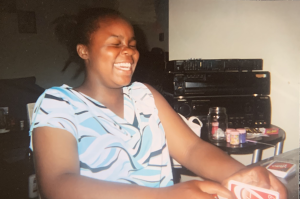
As much as these communities need healing, we also have the propensity to heal. Alexis Franklin’s magazine cover-gracing portrait of Breonna moved something within a mourning family lacking closure. There are dozens of testimonies and think-pieces around Sinners’ Wunmi Mosaku’s Oscar-nominated portrayal of a curvy, dark-skinned Black woman being portrayed and loved wholly. Lauryn Hill led a stirring D’Angelo tribute that assuaged a generation of heartbroken Neosoulers at this year’s Grammys. I could go on, but will stop (for now) at the evergreen writings from laureates like Maya Angelou, who left us with an archive of soul-soothing poetry even while she was piecing herself back together from abuse, as proof positive that compelling art born from our own hearts and hands makes a way for us to get in front of the next storm.
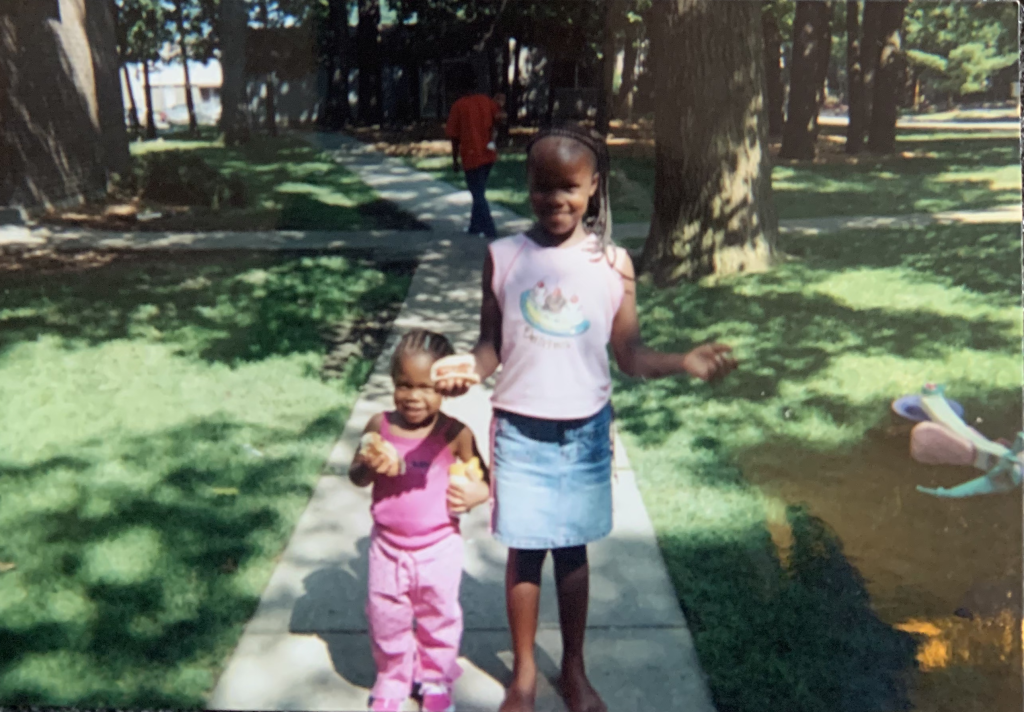
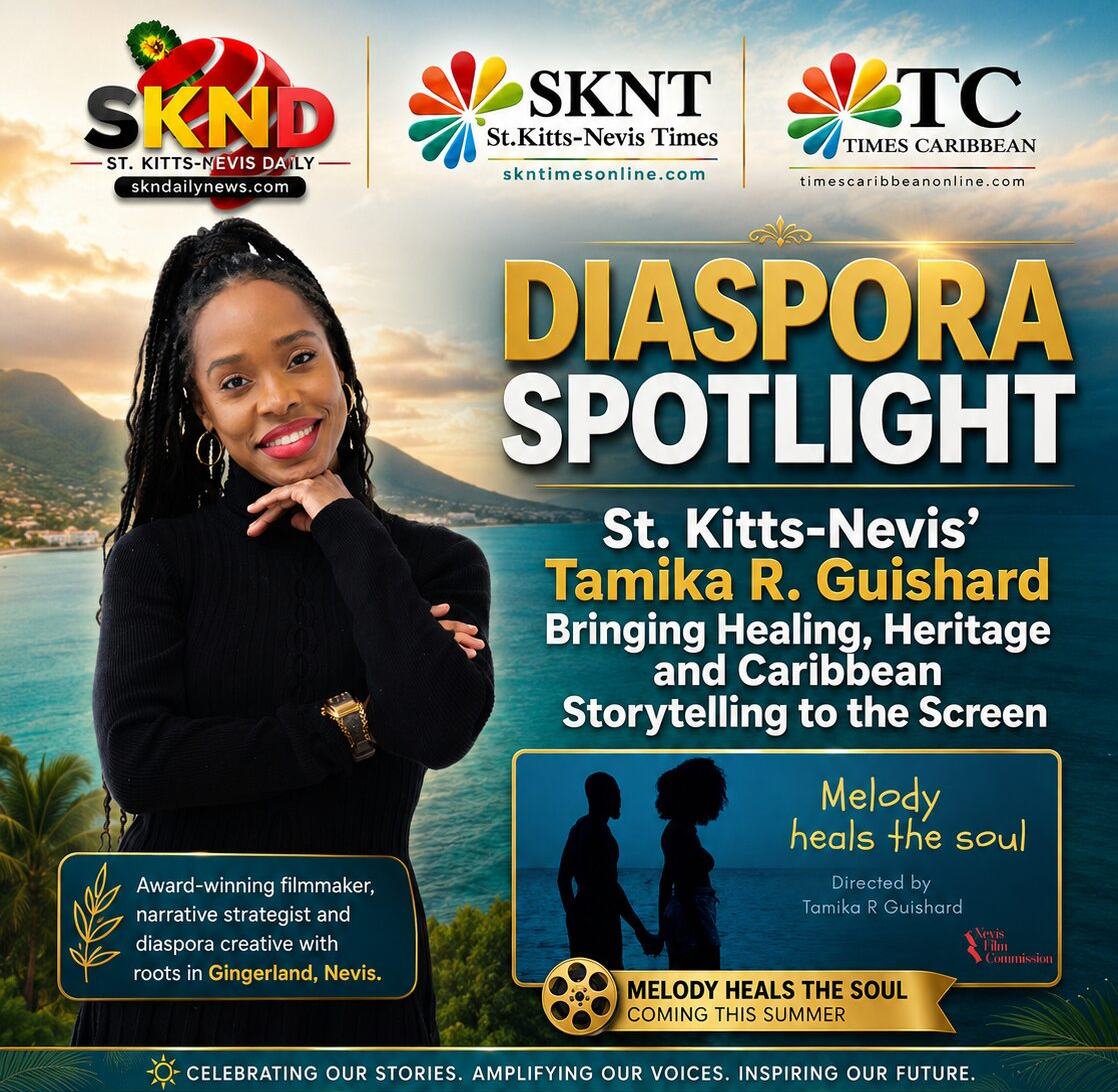
Ju-Niyah is attached to our docuseries “Forget-Me-Not” so that Breonna can be remembered for how she lived, not how she died. “Breonna was an amazing sister…both to me and my friends. I could literally go to her about anything and not feel judged.” Ju-Niyah would sooner have you remember the fact that she poured milk in Breonna’s GameCube than run with the prevailing narrative that her sister was coupled with the man whom the police’s no-knock warrant was for (making the violence rained upon her erroneously inevitable). “Breonna was no longer with him…y’all are too busy looking at the wrong picture, instead of the correct [one].” Resolving these types of inaccuracies including the fallacy around Miriam Carey’s postpartum mental health causing her unaccounted for murder by Secret Service and Capitol Police fuels me to forge ahead with our justice-centered project featuring activist sisters like Val Carey along with Ju-Niyah. Their stories, transformed into restorative, accurate, moving picture, will undeniably help salve audiences weathering storms.
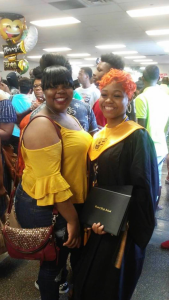
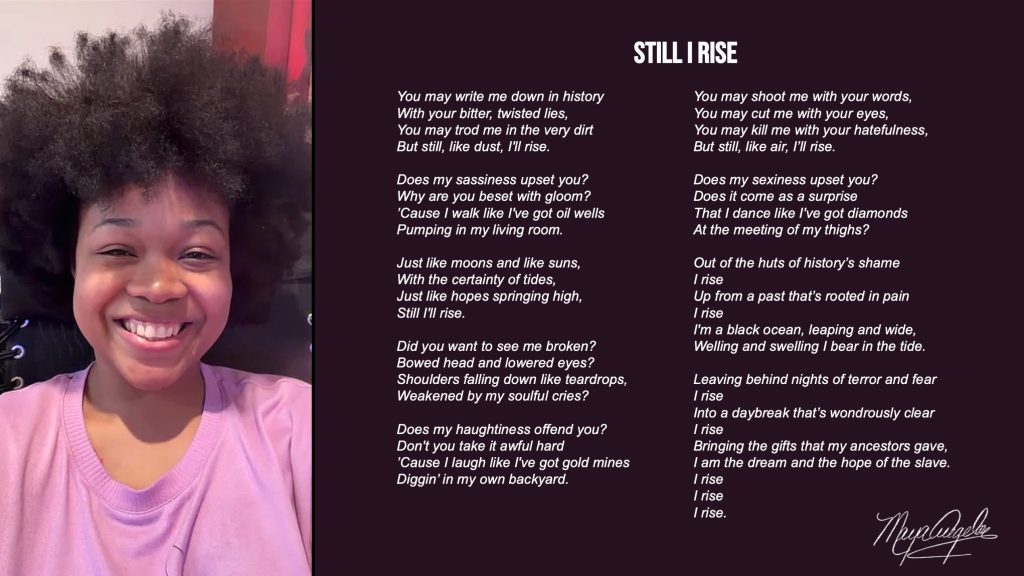
I got off of my call with Ju-Niyah changed. A new mother, navigating the sleeplessness and physiological evolution that come with childbirth, she is a rare combination of passion and indifference, courage and vulnerability, optimism and realism. “Out-coming” — in mind, body, and spirit — both the birth of her son (born the same month of that most recent verdict in Breonna’s case) and senseless death of her sister, Ju-Niyah’s conversation left me with profound respect for her generation and fire for sharing their sisterhood on screen: storytelling to cultivate a new crop of overcomers. This monumental, one-hundredth #BlackHistoryMonth, as you attend assemblies and convenings, you may hear “Still I Rise,” Breonna’s favorite poem by Maya Angelou, with whom she was obsessed. They, from the ancestral realm, along with “Lil’ Yoda” are abiding reminders that even while healing, we all have the distinct capacity to heal others.